

More Than a Workshop: How Coaching, Consulting, and Training Transform ECE Communities

- Training
- Consulting
- Coaching
First, Let’s Break It Down: What’s the Difference?
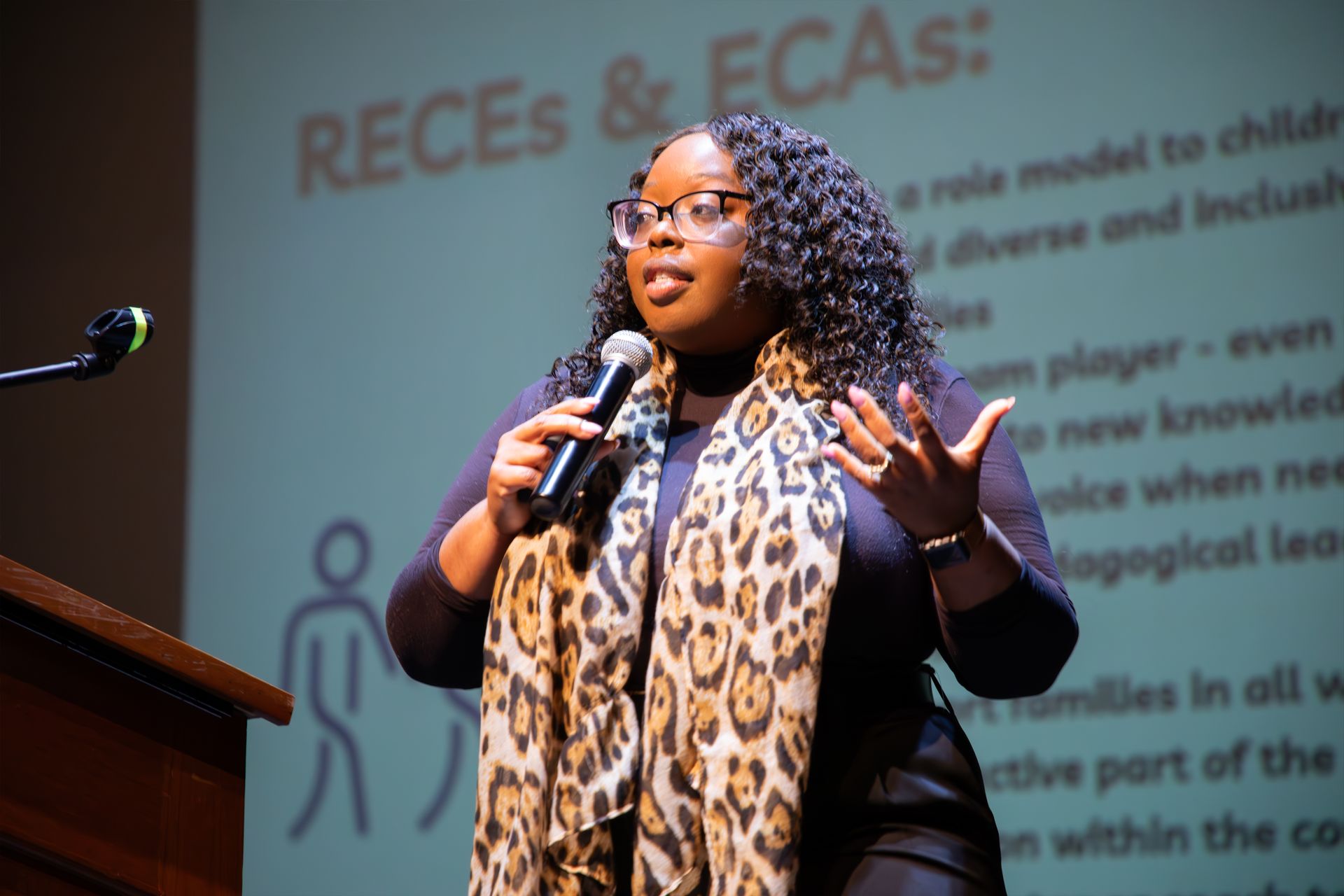
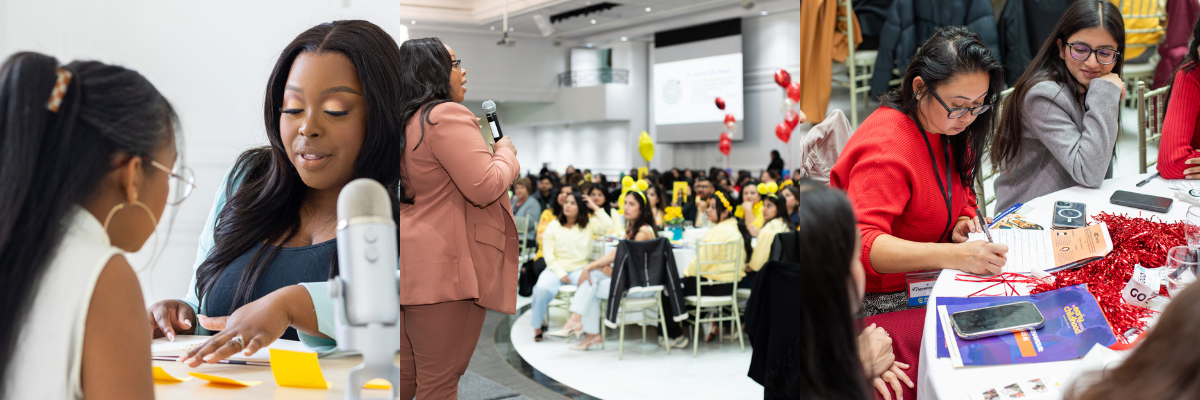
Training: Building Knowledge, Skills, and Shared Language
Training is often where communities begin.
ECC training sessions are designed to:
- Build foundational and advanced knowledge
- Introduce new frameworks, mindsets, and strategies
- Re-energize teams and spark reflection
- Create a shared language across programs and organizations
Our workshops and learning sessions are:
- Practical and grounded in real ECE realities
- Interactive and reflective
- Rooted in belonging, leadership, and implementation
Training is powerful because it opens the door to change. It helps teams see what’s possible and gives them tools to start.
But we also know this truth:
Awareness alone doesn’t create transformation. Support does.
That’s where consulting and coaching come in.
Click here to explore our Training & Workshops
Consulting: Designing Systems, Strategies, and Sustainable Change
Consulting is about zooming out.
When we work in a consulting capacity, we partner with organizations, regions, and leadership teams to:
- Look at the bigger picture
- Assess what’s working and what’s not
- Align practice with values, policy, and vision
- Build strategic, realistic, and people-centred plans
Consulting often includes:
- Program or system reviews
- Leadership strategy and planning
- DEIB implementation roadmaps
- Culture, team, or operational alignment
- Long-term capacity building
This is the work we’ve done with large systems and communities — including regional and provincial partners — to ensure that change is not just inspirational, but structural and sustainable.
Consulting helps answer the questions:
- Where are we going?
- How do we get there?
- And how do we bring our people with us?
Click here to learn more about our Consulting Services
Coaching: Supporting the Humans Doing the Work
Coaching is where the deepest personal transformation often happens.
Because systems don’t change unless people do.
ECC coaching supports:
- Leaders
- Educators
- Entrepreneurs
- Teams
Through:
- 1:1 coaching
- Group coaching
- Leadership cohorts
- Ongoing mentorship
Coaching creates space for:
- Reflection
- Confidence building
- Skill strengthening
- Navigating hard seasons
- Stepping into leadership with clarity and courage
We often say: Training changes what you know. Coaching changes how you show up.
This is the heart work. The identity work. The sustainability work.
Click here to explore Coaching & Mentorship with ECC
What It Looks Like in Real Communities
One of the things we’re most proud of at ECC is the diversity of communities we get to serve — and the depth of the relationships we build with them.
We’ve had the privilege of working with:
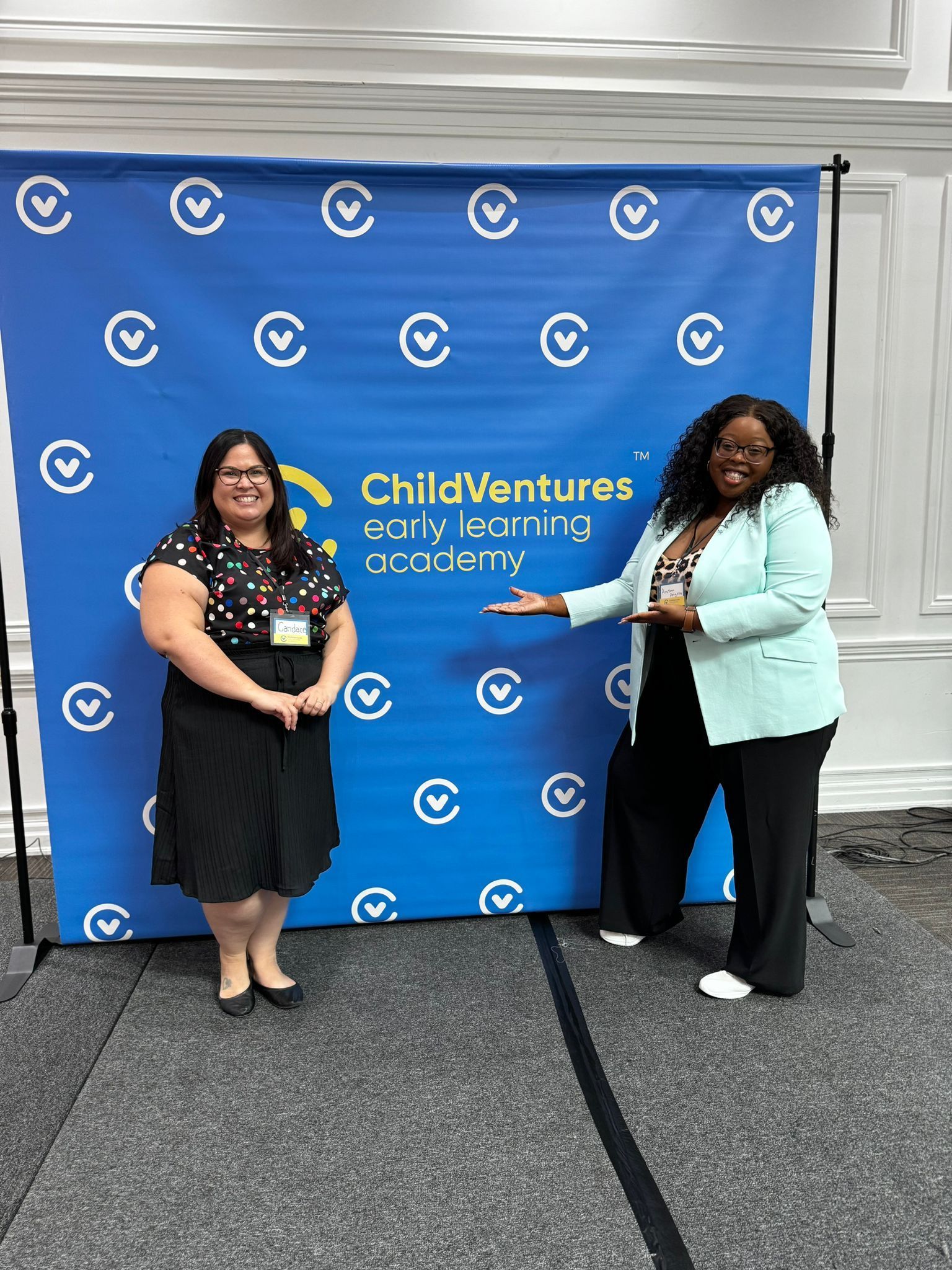
- Large multi-site organizations like Childventures
- Regional partners like the Region of Peel
- Provincial and cross-community initiatives in Newfoundland and PEI
- Individual centres, leadership teams, and grassroots ECE communities
And while each context is different, the pattern is always the same:
- Training sparks awareness and alignment
- Consulting builds the structure and plan
- Coaching supports the people through the change
That’s where the real transformation happens.
Not just in classrooms. Not just in policies.
But in:
- How leaders lead
- How teams communicate
- How educators see themselves
- How communities sustain their impact
Why This Integrated Approach Matters in ECE
Early childhood education is deeply human work.
It’s emotional. It’s complex. It’s demanding. It’s meaningful.
And it deserves support that is:
- Realistic
- Respectful
- Strategic
- And deeply rooted in the lived experience of educators
At ECC, we don’t believe in one-size-fits-all solutions.
We believe in:
- Meeting communities where they are
- Walking alongside them
- And building change that actually lasts
So… What Kind of Support Does Your Community Need?
Maybe your team needs:
- A powerful training series to re-ignite vision
- Strategic consulting to align systems and culture
- Coaching to support leaders through growth and change
Or maybe you need all three — woven together in a way that truly supports your people.
That’s exactly what we do.
Ready to Explore What’s Possible?
We’d love to learn more about your community, your goals, and your challenges.
- Click here to learn more about The Early Childhood Coach
- Click here to explore how we can work together
- Click here to book a connection call with our team
At The Early Childhood Coach, we don’t just deliver sessions. We help build stronger leaders, healthier teams, and more connected early learning communities.
And we’d be honoured to do that work with you.